Trauma & PTSD
What Is Trauma & PTSD?
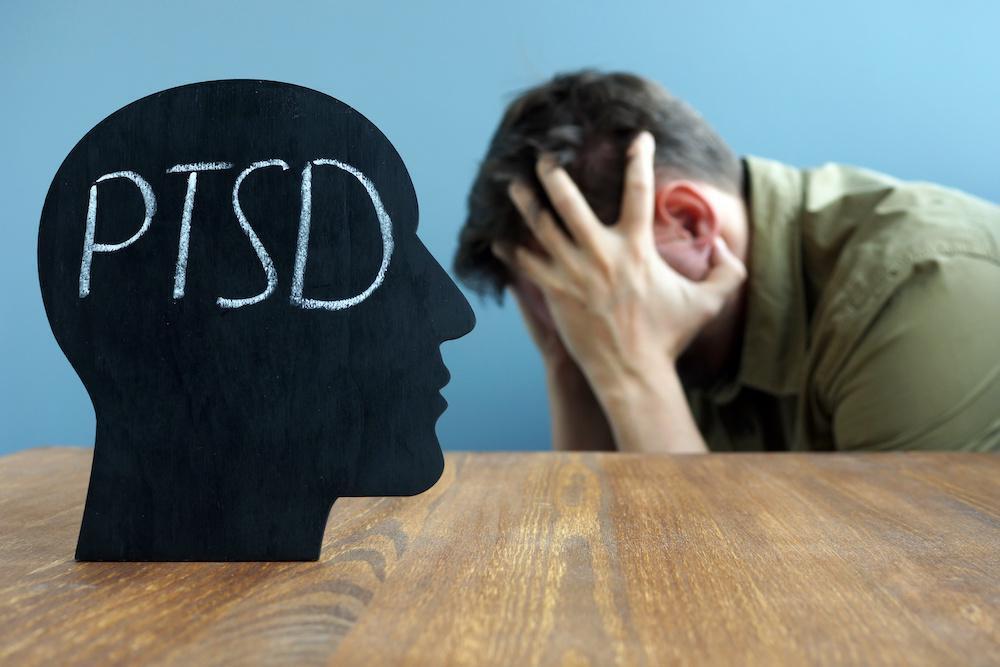
Trauma occurs when a person is exposed to an event or situation that is deeply distressing or life-threatening and exceeds their ability to cope at the time. Post-Traumatic Stress Disorder (PTSD) may develop following trauma and can lead to persistent emotional, psychological, and physical symptoms that interfere with daily functioning and overall well-being.
Types of Trauma
Acute Trauma
Results from a single, intense event such as an accident, assault, or sudden loss.
Chronic Trauma
Develops after repeated or prolonged exposure to harmful or distressing situations, including ongoing abuse or violence.
Complex Trauma
Arises from long-term traumatic experiences, often beginning early in life, and may significantly affect emotional regulation, relationships, and self-perception.
Common Symptoms of Trauma & PTSD
Recurrent distressing memories, flashbacks, or nightmares
Emotional detachment, numbness, or withdrawal
Heightened anxiety, hypervigilance, or exaggerated startle response
Avoidance of people, places, or situations linked to the trauma
Sleep disturbances, irritability, or difficulty concentrating
Challenges with trust, safety, or emotional connection
Symptoms may appear shortly after the event or emerge gradually over time, with severity varying from person to person.
Treatment Options for Trauma & PTSD
At Danshalom Behavioral Clinic, care for trauma and PTSD is compassionate, individualized, and grounded in evidence-based practices. Treatment may include:
Trauma-informed psychotherapy to safely explore and process experiences
Medication management to address anxiety, mood disturbances, or sleep challenges
Grounding techniques and coping strategies to manage emotional triggers
Mindfulness-based practices to support emotional regulation and resilience
Ongoing follow-up and support to promote healing and long-term stability
Our approach emphasizes emotional safety, trust, and steady progress, allowing healing to unfold at a pace that feels right for you.