
How are sleep and mental health connected?
The American Psychiatric Association puts it plainly: sleep problems can exacerbate depression or anxiety, and depression or anxiety can lead to sleep problems. A sleep problem can be a symptom of a mental health condition, and it can also contribute to one. It often does not matter which came first, because both may need attention.
Short sleep also changes how the next day goes. The same source lists fatigue, irritability and problems focusing as consequences of poor sleep, and says your mood and your ability to make decisions can be affected too. When anxiety or low mood is already making those things harder, a bad stretch can start to feed itself.
What do sleep problems look like with each condition?
The pattern can differ from one condition to the next. This table is a general guide for noticing and describing what is happening. It is not a way to diagnose yourself, and these patterns can overlap.
| Condition | What sleep may look like |
|---|---|
| Depression | Increased or decreased sleep; sleep problems and depression can each make the other worse |
| Anxiety and worry | Stress or worry raises the risk of insomnia, and worrying about sleep and watching the clock can make it worse |
| Bipolar disorder | Decreased need for sleep during manic episodes; increased or decreased sleep during depressive episodes |
| PTSD | Nightmares, insomnia, avoiding going to bed, feeling on alert, and being startled easily by noise |
How is needing less sleep different from not being able to sleep?
A difference worth reporting
- With insomnia, you want to sleep and cannot, and you usually pay for it the next day.
- With a decreased need for sleep, a person feels energetic despite much less sleep than usual. The American Psychiatric Association lists this as a sign of a manic episode.
- Sleep disruption may also trigger mood episodes in vulnerable people. If you or someone close to you sleeps far less and seems wound up rather than tired, tell a health care provider promptly instead of waiting for it to pass.

What habits can help me sleep better?
These steps from the National Heart, Lung, and Blood Institute (NHLBI) can make it easier to fall asleep and stay asleep. Try a few at a time, and give them a fair chance before judging them. They will not fix every sleep problem, but they are a reasonable place to start.
- Go to sleep and wake up around the same time each day, including weekends.
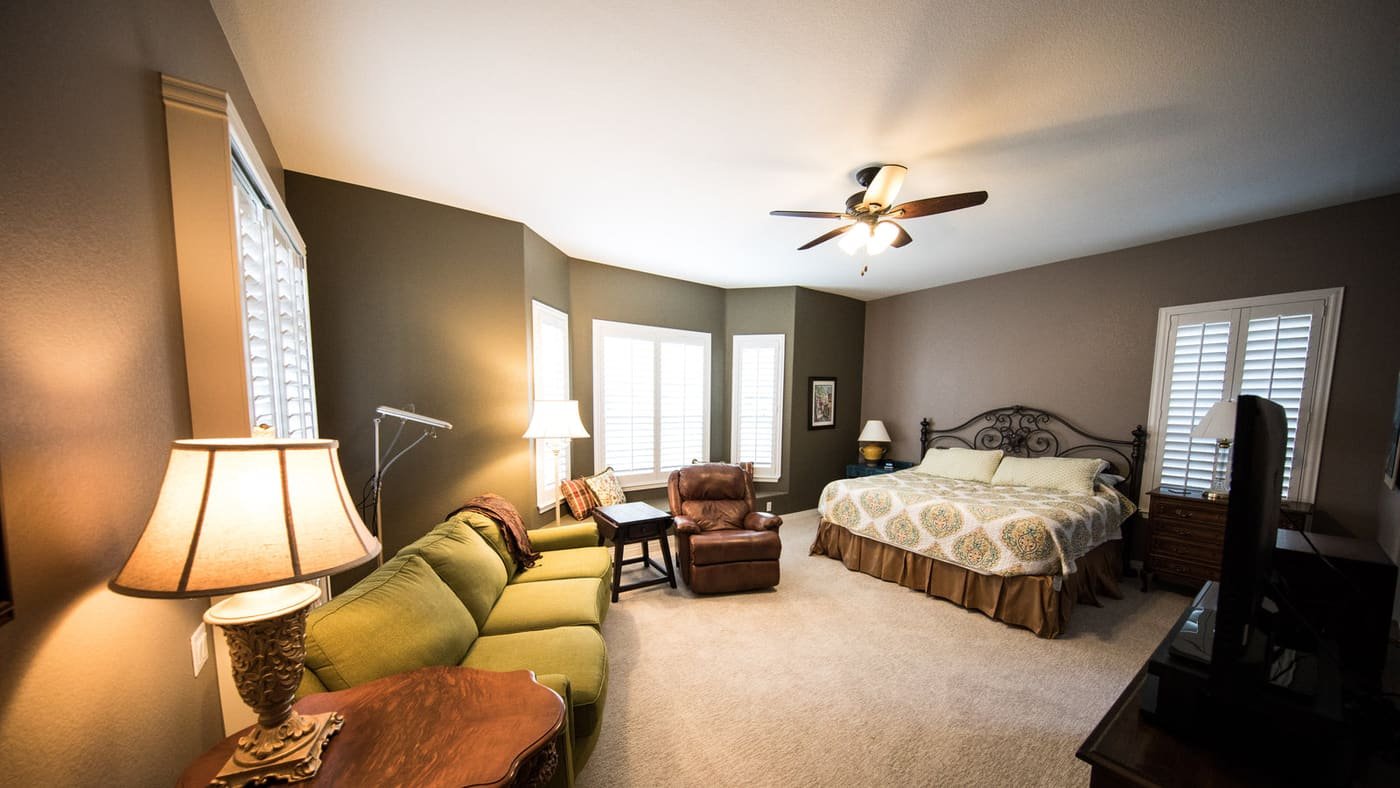
- Keep your bedroom cool, quiet and dark, and avoid watching TV or looking at electronic devices at bedtime.
- Avoid caffeine, nicotine and alcohol close to bedtime. Alcohol can make sleep lighter and make you more likely to wake during the night.
- Get regular physical activity during the day, at least 5 to 6 hours before bed.
- Avoid naps, especially in the afternoon.
- Eat meals on a regular schedule, avoid late dinners, and limit how much you drink close to bedtime.
- Follow a wind-down routine, such as reading a book, soothing music or a hot bath.
What is cognitive behavioral therapy for insomnia?
Cognitive behavioral therapy for insomnia, or CBT-I, is a structured treatment, not just a list of sleep tips. NHLBI describes it as a 6- to 8-week plan that is usually recommended as the first treatment option for long-term insomnia. It can be done by a doctor, nurse or therapist, in person, by telephone or online. The VA National Center for PTSD says sleep hygiene is often part of CBT-I but is not the same thing.
NHLBI lists these parts. If you would like to know whether CBT-I can be part of your care with us, ask us, because a referral may be the right step.
- Cognitive therapy, to feel less nervous about not being able to sleep
- Relaxation or meditation training, to wind down and fall asleep faster
- Sleep education, to learn good sleep habits
- Sleep restriction, which sets a specific amount of time in bed and increases it as sleep gets better
- Stimulus control, which means going to bed only when sleepy, getting up if you cannot sleep, and keeping the bed for sleep and sex
What about sleep medicines and supplements?
The VA National Center for PTSD says sleep medication usually gives quick, temporary relief, is often recommended only for short-term use, and tends to become less helpful over time without addressing the core cause. NHLBI says research has not proven melatonin to be an effective treatment for insomnia, and that antihistamine sleep aids can be unsafe for some people. Tell your provider about anything you take for sleep, including over-the-counter products.
Some medicines can also disturb sleep, so ask before changing anything. Do not start, stop or change a medication on your own. Medication decisions here come after an evaluation, not every medication can be prescribed at every kind of visit, some may require an in-person appointment, and we explain what applies to you and how medication management works.
When should I talk with primary care or a sleep medicine provider?
The American Psychiatric Association says to seek evaluation if sleep problems persist or get in the way of how you feel or function during the day. Insomnia disorder involves trouble at least three nights a week for at least three months, along with real distress or problems at work, school or elsewhere.
Some sleep problems need a medical workup. Our clinic does not do sleep studies or treat sleep apnea, so raise these with your primary care provider or a sleep medicine provider:
- Loud snoring, gasping or pauses in breathing, which a bed partner often notices first
- Feeling tired or needing to sleep during the day even after a full night in bed
- An urge to move your legs at night, or episodes of acting out dreams or sleepwalking
- Suddenly falling asleep during the day
How does sleep fit into care at this clinic?
Sleep is part of the conversation at a first evaluation, which takes about 60 minutes with Victor Onodjacha, MSN, PMHNP-BC, in person in Sugar Land or by secure video if you are physically in Texas, Idaho, Arizona or Maryland. Our pages on sleep problems, anxiety and depression explain how care works for each. A short sleep diary can help. If nightmares follow a frightening event, our guide on when to get help after trauma may also be useful.
You can request an appointment and read about coverage on our insurance page. If you are in crisis, call or text 988, or call 911 if there is immediate danger. DanShalom Behavioral Clinic is not an emergency service.
Questions patients ask
Which should I treat first, my sleep or my mood?
You may not have to choose. The American Psychiatric Association says sleep disorders should be specifically addressed regardless of other mental or medical problems that are present. A provider can help you decide what to work on first and whether both can be addressed together, based on what is affecting your days the most.
Is it okay to use alcohol or cannabis to help me sleep?
It is a common habit, but it can backfire. Alcohol makes sleep lighter and increases waking during the night. The VA National Center for PTSD says drug and alcohol use can harm sleep quality over time, and that using these substances to manage PTSD or sleep problems is related to a higher risk of suicidal thoughts. Tell your provider honestly what you use.
What should go in a sleep diary?
The American Psychiatric Association describes a sleep diary as a record of when you go to bed, get to sleep, wake up and get out of bed, along with naps, exercise, meals, alcohol and caffeine. Adding a word about your mood each day can help you and your provider see how the two move together.
Can sleeping too much be a mental health sign?
It can be. Sleeping too much is listed among the symptoms of a depressive episode. It can also have other causes, including sleep disorders and medication effects. If you sleep long hours and still feel unrefreshed, or sleepiness is affecting your day, mention it to a provider, who can help work out what to check next.
Do nightmares after a trauma need treatment?
Nightmares and insomnia are both PTSD symptoms, according to the VA National Center for PTSD. Its page says CBT-I reduces how many nightmares people have and the distress from upsetting dreams. Not everyone who has nightmares after a trauma has PTSD, but if they persist or make you dread bedtime, it is reasonable to ask for an evaluation.
References
- What Are Sleep Disorders? (American Psychiatric Association)
- Insomnia: Treatment (National Heart, Lung, and Blood Institute)
- Insomnia: Causes and Risk Factors (National Heart, Lung, and Blood Institute)
- Sleep Problems and PTSD (VA National Center for PTSD)
- What Are Bipolar Disorders? (American Psychiatric Association)
Reviewed by Victor Onodjacha, MSN, PMHNP-BC, . This page is general information, not medical advice or a diagnosis.