
Does video work as well as an office visit?
For many people, research suggests it can. The National Institute of Mental Health says virtual care can be effective for treating anxiety, ADHD, bipolar disorder, depression and PTSD. The American Psychiatric Association goes further and describes video care as equivalent to in-person care in diagnostic accuracy, treatment effectiveness, quality of care and patient satisfaction.
Those are findings about groups of people, and they do not decide what suits you. MedlinePlus points out that in some cases a provider may not be able to make the right diagnosis without examining you in person, or may need you to come in for a lab test. So the practical question is less about which format is better and more about which one fits your situation right now.

How do I decide between video and in person?
Go through these factors one at a time. You do not need every row to point the same way, and your answer can change over time.
| Factor | Video may suit you if | An office visit may suit you if |
|---|---|---|
| Privacy | You have a room with a door and can talk without being overheard | Others at home could overhear, or you are uneasy about a camera showing your home |
| Technology | You have a stable connection and a device you are comfortable using | Your internet is unreliable, or apps and devices are a source of stress |
| Distance and schedule | Travel, childcare or time off work makes appointments hard to keep | The office is close and getting out of the house is good for you |
| How you feel about the setting | Talking from home feels less intimidating | Talking to a screen feels awkward, or you open up more face to face |
| Your health needs | Your visit is mainly conversation and follow-up | A provider needs to examine you, or your plan calls for an in-person visit |
| Children | Your child can stay engaged on screen and a parent can be present | Your child struggles to sit with a screen or needs a change of scene to talk |
| Getting to the office | You cannot drive, or you live far away | You are physically near Sugar Land and able to come in |
How much privacy do I actually need at home?
More than you might expect. NIMH notes that a virtual visit can feel less private if people nearby can see or hear it, and some people are uncomfortable with a provider seeing their surroundings. Before you choose video, picture the actual room you would use and who else is likely to be home at that hour.
If home has no quiet spot, or you would be talking about someone who lives with you, that is a good reason to pick the office. A person who does not feel safe speaking freely at home should say so when requesting care, so we can talk about options.
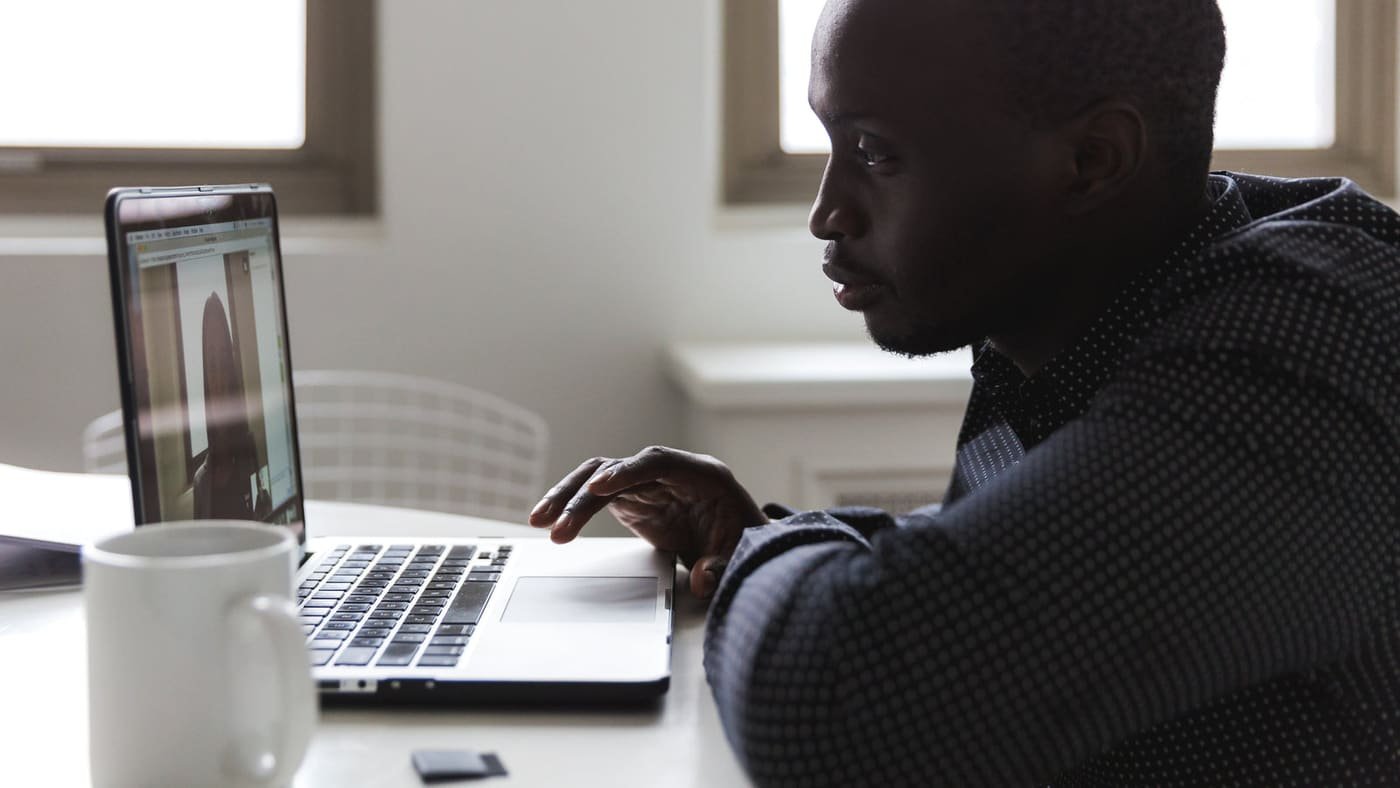
What should I set up for a video visit?
Good preparation matters as much as it does for an office visit. The American Psychiatric Association suggests having your records, prescriptions and a list of questions ready, just as you would in person. Beyond that:
- Test your camera, microphone and connection ahead of time, on the device you will actually use.
- Keep the visit on a steady surface, with light on your face and your charger within reach.
- Have a phone number handy in case the connection drops, and ask us what happens if it does.
- Ask at the start of care what would happen if there were an emergency during a video visit.
- Do not join while driving.
What about video visits for children and teens?
The American Academy of Child and Adolescent Psychiatry says research with young people and families is still developing, but that children, families and referring clinicians are very satisfied with this kind of care. It suggests asking what the arrangements are for prescriptions and lab tests, what happens in an emergency, and how your child's privacy is protected.
Think about the child in front of you. Some children relax at home, and others cannot stay focused on a screen for long. At our clinic, which sees patients ages 5 to 65, a parent or guardian must be present at appointments for patients under 18, on video as well as in the office. Our guide to preparing a child for a first visit covers the practical setup.
Can I use both video and office visits?
Many people do. The American Psychiatric Association says combinations of video and in-person care are now common. You might start in the office and move to video for follow-ups, or the reverse, and you can raise a change if your life or your symptoms shift. Ask us what would work for your care before you switch.
How do video and office visits work at DanShalom Behavioral Clinic?
Office visits take place in Sugar Land, which is our only office. Secure video is available for people physically located in Texas, Idaho, Arizona or Maryland at the time of the visit. Both formats include a psychiatric evaluation of about 60 minutes as the first visit, and follow-ups of about 30 minutes. If your location changes, our guide on care when you travel or move explains what to do.
Medication decisions are made after an evaluation. Not every medication can be prescribed at every kind of visit, and some may require an in-person visit. We explain what applies to you, and our medication management page describes follow-up. If you live in Idaho, Arizona or Maryland, ask us before you book what an in-person requirement would mean for you, since the office is in Texas.
Check your coverage for either format, since NIMH notes that telehealth policies vary from state to state. We check coverage before the first visit, and our insurance page has details. To start, send a short appointment request and say which format you prefer.
Neither format is for emergencies, and DanShalom Behavioral Clinic is not an emergency service. If you are in crisis, call or text 988, or call 911 if there is immediate danger.
Questions patients ask
Can a first psychiatric evaluation be done by video?
Yes. At our clinic a first evaluation can take place by secure video as long as you are physically in Texas, Idaho, Arizona or Maryland at the time of the visit. Some situations are better suited to an office visit in Sugar Land, and we will tell you if that applies to you.
Is a video visit private?
We use a secure platform, and NIMH recommends looking for one that protects your privacy and verifies your identity. The other half of privacy is on your side of the screen: who can hear you and who can see your device. The American Psychiatric Association describes privacy with video care as equivalent to in-person care.
Does insurance pay for video visits the same way?
It depends on your plan. MedlinePlus notes that some insurance companies may not cover telehealth visits, and NIMH suggests confirming coverage with your insurer or your provider's billing department. We check your coverage before the first visit and can tell you what we find. Costs and plan details are on our insurance page.
Can I change from video to the office later?
Usually you can raise this at any time. Ask us when your needs change, for example if you have moved closer, lost privacy at home, or feel you would talk more easily in person. Patients who live outside Texas should ask first, because our only office is in Sugar Land and they would need to travel for it.
What if my internet or device fails during a visit?
Technology problems are one of the known drawbacks of virtual care. Ask us at the start of care what to do if a visit drops, and keep a phone nearby so you can reach the office. If you often lose your connection, tell us. An office visit, or another place to connect from, may work better.
References
Reviewed by Victor Onodjacha, MSN, PMHNP-BC, . This page is general information, not medical advice or a diagnosis.